
Solar Water Heater Certifications: EU Compliance Checklist for Buyers
If you are buying a solar water heater for the European market, the certificate file is not an administrative afterthought. Certifications define whether a product can be imported, installed, insured and, in many cases, connected to national subsidy programmes. Yet compliance documents are not always easy to read. A generic statement that a product is “certified” does not tell you which model, which standard, or which market is covered.
This article is a compliance checklist for importers, distributors, engineers and project buyers who need to verify solar water heater certificates before placing an order. It uses Zhejiang Kesun New Energy Co., Ltd., better known as Kesun Solar, as a real manufacturer example because its product lines cover non-pressure, pressurized and PV-assisted solar thermal systems.
Problem Definition: Compliance Is Part of the Product Specification
A solar water heater is not one homogeneous product. It can be a compact non-pressure solar geyser, a pressurized split system, an indirect solar hot water tank with a flat plate collector, a heat-pipe solar collector, or a PV-powered water heater with a storage tank. Each configuration may be covered by different certificates, test reports and national regulations.
The main risk for buyers is documentation mismatch: the certificate number exists, but the model on the nameplate is not listed in the certificate scope. This can happen when a supplier submits one certificate for an entire company rather than for specific products. A mismatch can stop customs clearance, make an installer refuse to commission the system, prevent subsidy applications, and void the manufacturer’s warranty.
Therefore, compliance evaluation must be done at the model level, not just the brand level.
Industry Background: Solar Thermal Market and Regulatory Context
Solar thermal remains a sizeable global business. Fortune Business Insights valued the global solar water heater market at USD 4.2 billion in 2025. According to the IEA Solar Heating & Cooling Programme, cumulative global solar heat capacity reached 560 GWth by the end of 2023, corresponding to about 800 million m² of collector area. Evacuated tube collector technology accounted for a 44.2% revenue share in 2023, according to Grand View Research.
Trade classification has also become more specific. A dedicated HS code, 841912, was introduced to differentiate solar water heaters from the older generic heat-exchange code 841919. For exporters and importers, this makes product classification a strategic step. For North American buyers, new U.S. federal energy conservation standards for consumer water heaters took effect on July 5, 2024, with compliance required by 2029.
In the EU, the key documents buyers should understand include Solar Keymark certificates, CE-related Low Voltage Directive (LVD) and EMC conformity verification, Pressure Equipment Directive (PED) conformity, and storage-tank type examination reports. The next section shows how to verify those documents against a real manufacturer catalogue.
Detailed Solution: What to Check Before Buying a Solar Water Heater
Kesun Solar, formally Zhejiang Kesun New Energy Co., Ltd., is a manufacturer based in Haining, Zhejiang, China. The company was created through the merger of Haining Ensun Solar Technology Co., Ltd. and Zhejiang Yile New Energy Co., Ltd. It now operates a 42,000 m² factory, employs about 130 people and reports an annual output capacity of 300,000 sets. Its product portfolio includes solar water heaters, buffer tanks, domestic hot water tanks and hybrid solar panels. About 60% of output is exported, with major markets in Mexico, the EU and Africa.
1. Check the Scope of Each Solar Keymark Certificate
Solar Keymark is a widely recognised European quality certificate for solar thermal products. It is not a blanket company certificate; it is issued for defined collector or system models. Kesun Solar’s EU documentation includes the following DIN CERTCO certificates:
- CPS series high-pressure solar geysers — Solar Keymark certificate 011-7S3077 A, covering ENSUN-CPS100, ENSUN-CPS120, ENSUN-CPS150, ENSUN-CPS180, ENSUN-CPS200, ENSUN-CPS240 and ENSUN-CPS300.
- CNP series non-pressure solar water heaters — Solar Keymark certificate 011-7S3239 A, covering CNP100, CNP120, CNP150, CNP180, CNP200, CNP240, CNP250 and CNP300.
- CPS-FJ series indirect solar water heaters with flat type solar collectors — Solar Keymark certificate 011-7S3343 A.
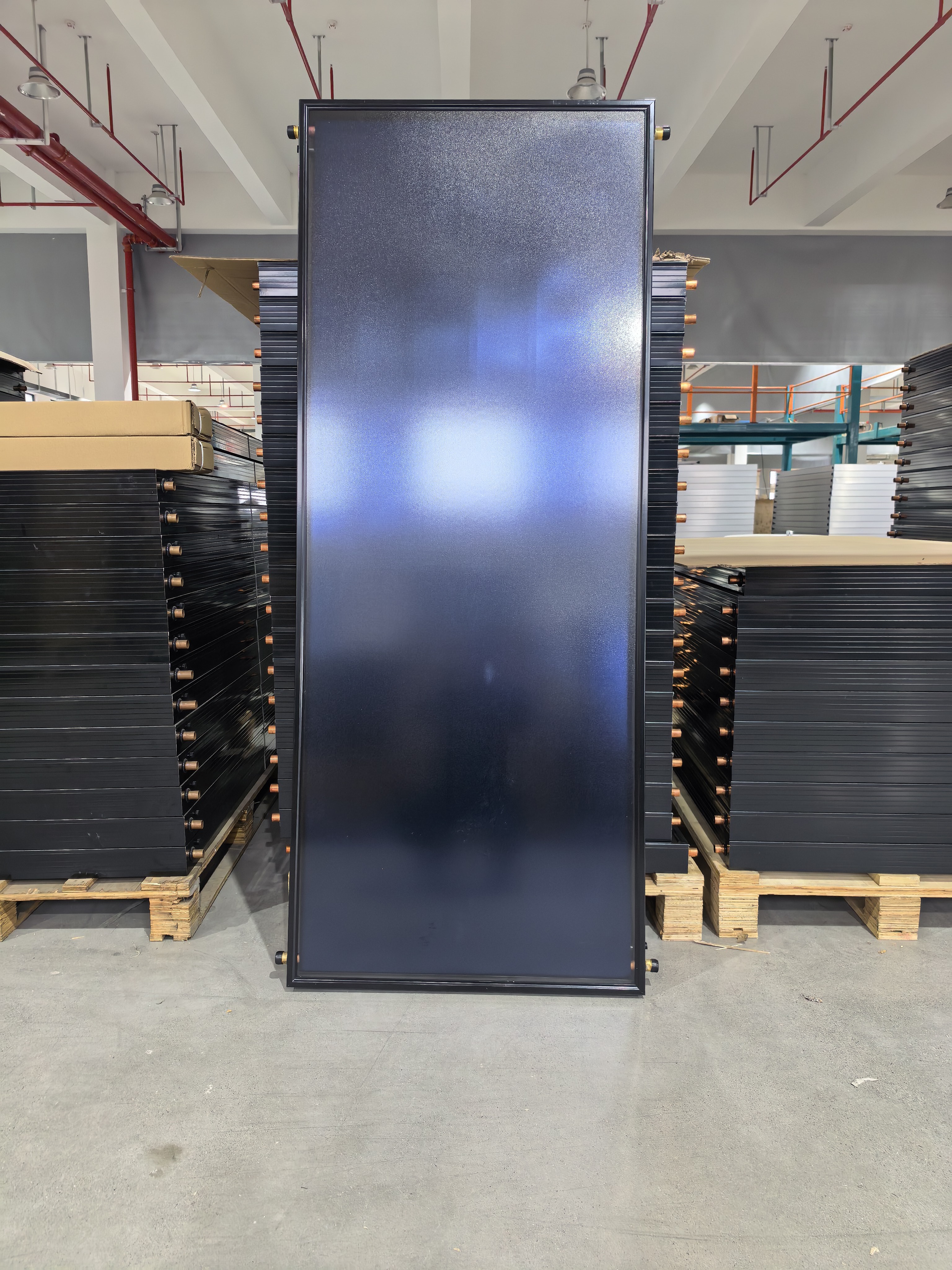
- FPC2.0 and FPC2.5 flat plate solar collectors — Solar Keymark certificate 011-7S3241 F.
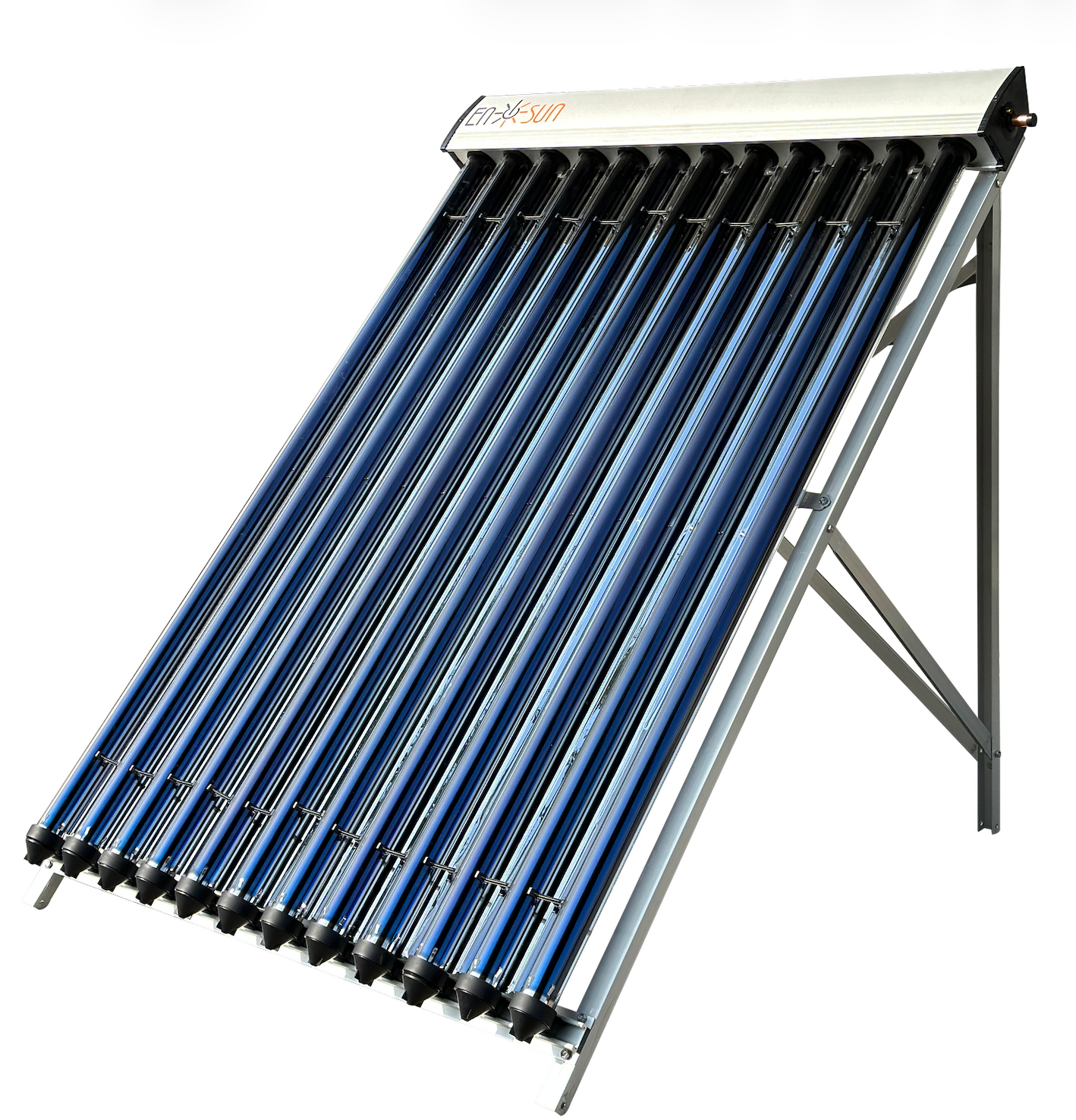
- HSC series heat pipe solar collectors — Solar Keymark certificate 011-7S3325 R, covering HSC10, HSC12, HSC15, HSC16, HSC18, HSC20, HSC24, HSC25 and HSC30 under the KESUN brand.
When a supplier sends you a certificate, check whether your exact model number is written in the scope. For example, if you are buying an HSC20 collector, the certificate should show HSC20. If it only shows “solar collectors” in general, ask for the page with the model list.
2. Verify Electrical Compliance for Controllers and PV-Assisted Systems
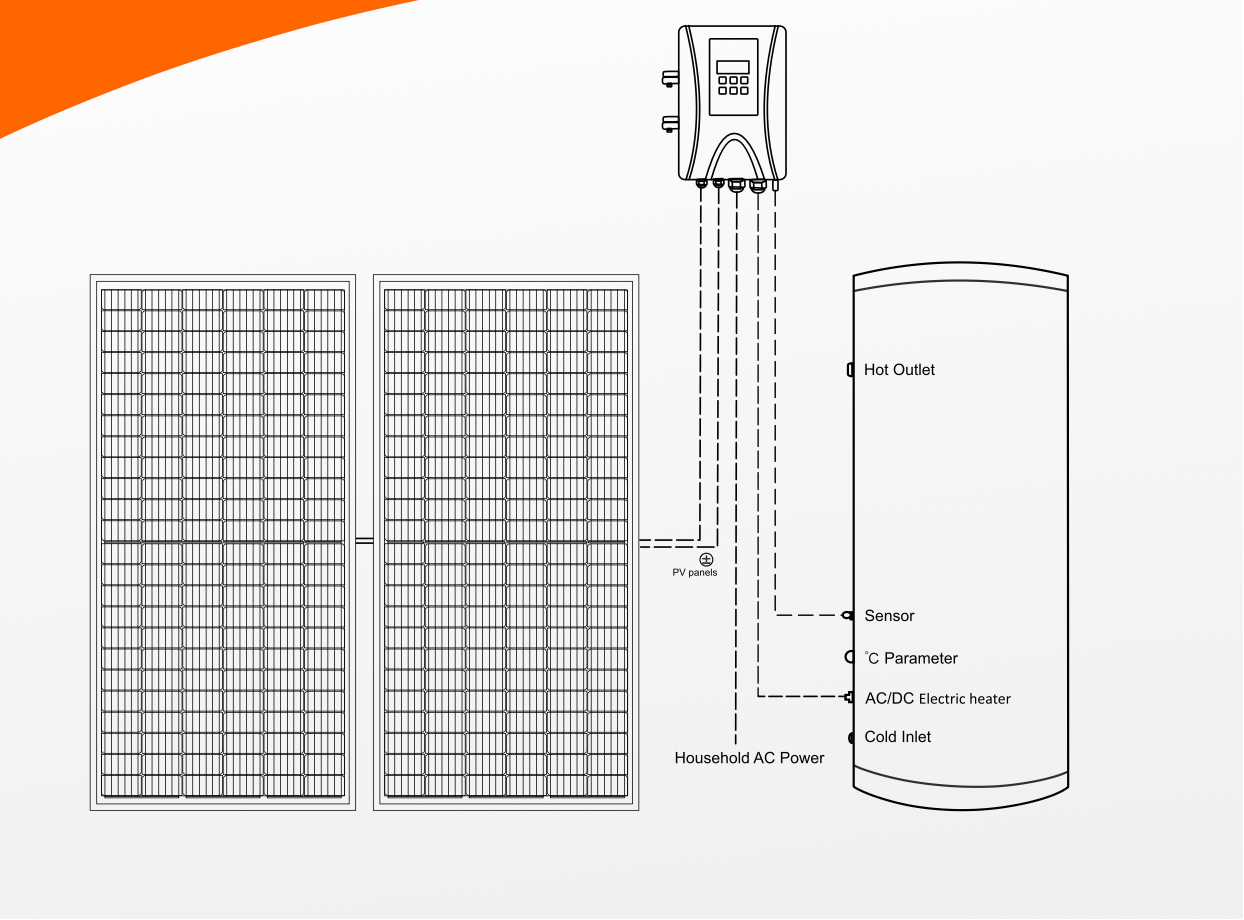
Solar water heaters with electric backup, circulation pumps or PV inputs are electrical products. In the EU, electrical safety and electromagnetic compatibility must be addressed under the LVD and EMC directives. The PV Solar Water Heater PV Series from Kesun is CE certified. It uses a controller with Maximum Power Point Tracking (MPPT) function and supports automatic switching between DC and AC power. This makes it relevant for buyers looking for solar PV water heater or hybrid solar panel configurations.
Kesun also holds Verification of Conformity documents for solar water heaters and water tanks. These include LVD+EMC conformity verification and PED verification under the Pressure Equipment Directive 2014/68/EU, issued by ICR. When evaluating a supplier, ask for the certificate number and confirm which models are included. A CE certificate on a PV controller does not automatically cover the water tank or the collector.
3. Examine Storage Tank Standards for Domestic Hot Water Systems
Many domestic hot water and buffer tank projects use a separate storage vessel. In Europe, the storage tank should be tested against the relevant product standard. For Kesun, Intertek Type Examination Test Reports cover Storage Tank PWT200 (report 251023056GZU-001) and Storage Tank PWT300 (report 251023056GZU-002) to EN 12897:2016+A1:2020. Additionally, an Intertek Performance Test Report for the stainless steel inner tank, report 251230069GZU-001, applies to the CPS and CPS-FJ series solar water heaters.
These test reports matter because they are traceable. A report number lets an experienced buyer verify the issuing body, the standard, the product name and the date. This is far more reliable than a supplier’s statement that the tank is “European standard quality”.
4. Match Material Selection with Water Quality and Durability
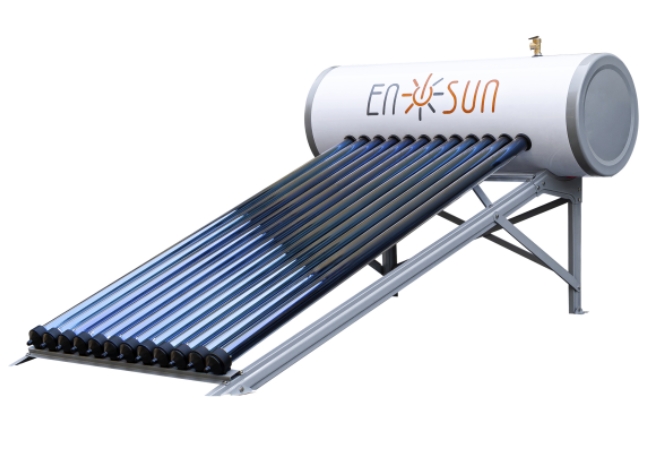
Material selection is a compliance-relevant specification because water quality and corrosion resistance affect tank life, safety and maintenance costs. The CPS series solar water heater is constructed with a food-grade stainless steel inner tank. The buyer can choose SS304, SS316, Duplex 2205 or Duplex 32001 stainless steel, while the outer tank is made of galvanized steel. This material structure gives corrosion resistance, which is important for coastal climates or aggressive water conditions.
The CNP series non-pressure solar water heater is made of SS304 or SS316 stainless steel. The CPS-FJ series indirect solar heating system uses SPCC with enamel coating and is designed to work with flat type solar collectors. For higher-pressure mains-fed installations, the CPS series has a maximum operation pressure of 6 bars and a test pressure of 9 bars. Always compare these parameters with the project’s plumbing design.
5. Look for Manufacturing-Level Quality Evidence
Certificates describe what the product has passed, but long-term reliability also depends on the factory process. Kesun Solar’s production facility uses upgraded equipment such as high-pressure automatic foaming machines, robotic packaging, laser welding and butt welding technologies. The company has also established an in-house laboratory that can carry out reliability tests such as salt spray testing and pulse testing on site. This kind of process evidence is relevant for buyers who plan long-term programs rather than one-off purchases.
Kesun supports OEM/ODM and customization by capacity, type and system configuration. Its stated monthly capacity is 25,000 units, with a typical lead time of 20–35 days and a minimum order quantity of one 40-ft container. The declared quality-control protocol is 100% testing, and after-sales support is available remotely.
Step-by-Step Breakdown: How to Audition a Solar Water Heater Supplier
- Define the installation type. Decide whether the project needs a non-pressure thermosiphon solar geyser, a pressurized high-pressure solar water heater, or an indirect system that can connect to a DHW boiler, buffer tank or heat pump tank.
- Select the collector technology. Common options include vacuum tube heat pipe collectors, flat plate collectors, and newer PVT/hybrid solar panel solutions. Kesun offers HSC heat pipe collectors, FPC flat plate collectors and PV-assisted systems.
- Check certificate scope. Ask for the certificate and confirm that the exact model is listed. Record the certificate number, issuing body, applicable standard and validity period.
- Verify pressure and tank standards. For pressurized systems, confirm maximum working pressure, test pressure, tank material and whether storage tanks have Type Examination Test Reports such as EN 12897.
- Check electrical documentation. For systems with controllers, electric heaters or PV panels, request CE-related LVD+EMC conformity documents. Ask which series are included.
- Audit the factory. Ask about production capacity, quality tests, in-house lab capability, lead time, MOQ, and OEM experience.
- Keep records. Store the relevant certificate pages, test reports and technical drawings in the project file. These documents will be needed by customs, installers and certification bodies at handover.
Use Cases for Certified Solar Hot Water Systems
Solar water heating systems are used in residential rooftop projects, commercial buildings, hotels, agriculture, pools and industrial process hot water applications. The appropriate configuration depends on climate, roof load, hot water demand and local water quality. Flat plate, vacuum tube and PVT systems can all be configured for different climate zones, but specific working-condition parameters require project-level calculation.
Hotel and Commercial Hot Water Projects
Hotels need large-volume domestic hot water around the clock. A documented Kesun commercial hotel case involved a complete solar hot water system for a small or medium-sized hotel serving about 80 guest rooms. The system was designed to provide all-day domestic hot water for guest rooms and public bathing areas while reducing electricity and gas consumption. The reported result was a reduction in electricity and gas costs of more than 40% after implementation, with a stable service life estimated at more than 15 years. The system used high-adaptability vacuum heat collection modules with corrosion and weather resistance suitable for hot, rainy climates such as Southeast Asia. For this type of application, the HSC series heat pipe collectors are often combined with CPS-FJ or CPS series pressurized solar water heaters to ensure stable hot water pressure and temperature.
Residential, Pool, and Light Industrial Use
For houses and villas, compact non-pressure or pressurized solar water heaters can be paired with electric backup or heat pump linkage. For pool heating and larger solar combi systems, flat plate collectors like the FPC2.0 are a practical choice. For sites with limited roof integration but available solar PV, the PV Series solar hot water tank with PV panel input offers a flexible electrification path.
Comparison Table: KESUN Solar Water Heating Product Lines
| Series | System type / collector | Capacity or size | Key material | Key EU certification evidence | Typical project |
|---|---|---|---|---|---|
| CPS series | High-pressure solar water heater; heat pipe vacuum tube collector | 100L, 150L, 200L, 300L | Food-grade stainless steel inner tank: SS304 / SS316 / Duplex 2205 / Duplex 32001; galvanized steel outer tank | Solar Keymark 011-7S3077 A; Intertek stainless steel inner tank report; PED/LVD+EMC verification | House, villa, small hotel, school |
| CNP series | Non-pressure solar water heater; 58-1800 vacuum tube | 60L–500L | SS304 or SS316 stainless steel | Solar Keymark 011-7S3239 A; LVD+EMC verification | House, villa, garden, gas station, car wash, small hotel |
| CPS-FJ series | Indirect solar water heater with flat plate collector | 150L, 200L, 250L, 300L | SPCC with enamel coating | Solar Keymark 011-7S3343 A; Intertek inner tank report | Villa, house, hotel, school, salty water areas |
| FPC2.0 / FPC2.5 | Flat plate solar collector | 1 m², 1.5 m², 2 m², 2.5 m²; 80 mm thickness | Copper and aluminum alloy | Solar Keymark 011-7S3241 F | Pool heating, housing heating, solar water heater projects |
| HSC series | Heat pipe solar collector | 10–30 tubes | Aluminum alloy frame, copper heat pipe, glass vacuum tube | Solar Keymark 011-7S3325 R | Villa, hotel, spa, school, house heating |
| PV series | PV solar water heater; hybrid PV-assisted tank | 100L–500L | Duplex 2205 / Inox 316L | CE; LVD+EMC verification; MPPT controller | Villa, house, apartment, camp |
FAQ
1. Do Kesun Solar solar water heaters have EU Solar Keymark certificates?
Yes. Kesun Solar holds DIN CERTCO Solar Keymark certificates for several series. The CPS high-pressure series is covered by certificate 011-7S3077 A, the CNP non-pressure series by 011-7S3239 A, the CPS-FJ indirect series by 011-7S3343 A, the FPC2.0/FPC2.5 flat plate collectors by 011-7S3241 F, and the HSC series collectors by 011-7S3325 R. Each certificate lists specific models, applicable standards and the EU market scope.
2. What standards cover pressurized solar water heater storage tanks?
Storage tank models PWT200 and PWT300 are covered by Intertek Type Examination Test Reports to EN 12897:2016+A1:2020. Pressurized solar equipment can also be supported by PED Verification of Conformity under 2014/68/EU. The CPS series high-pressure solar water heater has a maximum operating pressure of 6 bars and a test pressure of 9 bars.
3. Can solar water heaters be customized for hotel and commercial projects?
Yes. Kesun enables OEM/ODM customization by capacity, type and system configuration. For commercial hotels, HSC series heat pipe collectors can be paired with CPS-FJ or CPS series pressurized solar water heaters for stable large-volume domestic hot water. A documented hotel installation serving 80 guest rooms reported a reduction in electricity and gas costs of more than 40%.
4. What are the typical MOQ and lead time?
The standard MOQ for Kesun Solar is 1 x 40-ft container. Lead time is typically 20–35 days, supported by a monthly production capacity of 25,000 units. After-sales remote support is available. For exact lead times, confirm with the factory at quotation stage.
5. What is the best next step before choosing a supplier?
Request current certificate copies and product test reports, then compare the certificate scope with your project specification. If the technical and compliance profile matches your requirement, contact Kesun Solar directly to receive a project-specific quotation and the latest product brochure.
Conclusion
Certifications should be treated as part of the engineering specification, not as marketing material. A compliant solar water heater project depends on matching the model, certificate scope, tank standard, material grade and pressure rating with the intended use. Kesun Solar provides one practical example of a manufacturer with EU-focused documentation across non-pressure, pressurized, indirect, flat plate, heat pipe and PV-assisted solar water heating product lines.
Before you place an order, download the latest Kesun Solar brochure, check the certificate numbers against the models you are considering, and ask the factory to confirm the exact scope of each document. For project-specific quantities, OEM requirements and technical drawings, contact Kesun Solar at alan@ensunchina.com or visit www.kesunsolar.com.
Download the Kesun Solar 2025 product brochure
Have Questions or Need More Details?
Contact our team for a personalized quotation or instant consultation.
Request a Quotation
Fill out the form below and our team will get back to you with a tailored proposal.
WhatsApp Direct Chat
Prefer to chat in real-time? Message us on WhatsApp for instant assistance & quick answers.
- Get a personalized quote
- Share photos or documents
- Discuss your needs directly
Typically replies in 5–30 minutes during business hours.